

Ciao For Now Travel
Italy, Designed with Insider Access
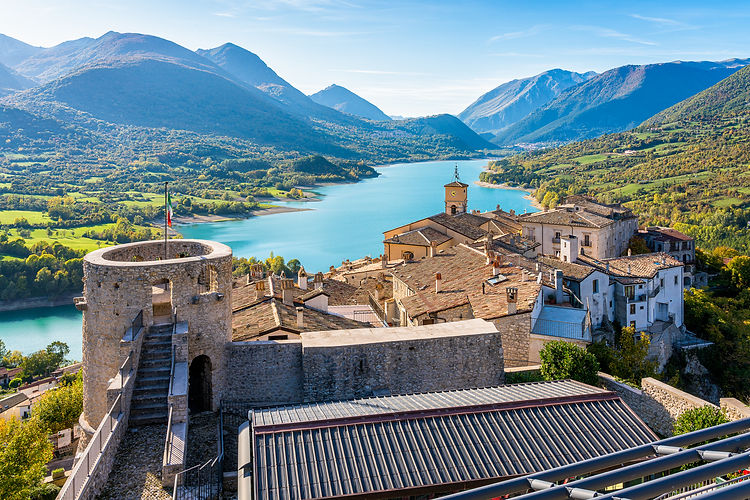
Abruzzo
Discover Abruzzo-Wild Mountains, Ancient Villages & Italy Untamed
Stretching from the Apennine Mountains to the Adriatic Sea, Abruzzo is one of Italy’s most rugged, authentic, and surprising regions. Often called the greenest region in Europe, Abruzzo is defined by national parks, medieval hill towns, shepherd traditions, and an unspoiled coastline. This is Italy for travelers who crave nature, history, and soul — powerful landscapes, honest food, and deep-rooted culture without pretense.
Main Towns
L’Aquila — Mountain capital with medieval roots and dramatic alpine surroundings.
Pescara — Lively Adriatic city known for beaches and modern energy.
Sulmona — Elegant town famed for sugared almonds and Roman heritage.
Scanno — Storybook mountain village and cultural icon of Abruzzo.
Teramo — Historic town near the Gran Sasso foothills.
Why You’ll Love It
One of Italy’s wildest and least-touristed regions
National parks, mountains, and untouched nature
Deep traditions tied to land, shepherding, and seasonality
Authentic food and villages frozen in time
Things To Do
Mountains & Nature
Hike Gran Sasso and Majella National Parks
Explore alpine plateaus, gorges, and high-altitude trails
Spot wolves, bears, and eagles in protected reserves
Hill Towns & Heritage
Wander stone villages like Scanno, Santo Stefano di Sessanio, and Pacentro
Explore Sulmona’s Roman ruins and historic center
Visit medieval castles and mountaintop fortresses
Coast & Sea
Relax along the Trabocchi Coast — wooden fishing platforms over the sea
Swim and dine in small Adriatic beach towns
Cycle coastal paths with sea views
Unique Abruzzese Experiences
Stay in a restored borgo or stone albergo diffuso
Join seasonal festivals celebrating food and tradition
Follow ancient shepherd paths (tratturi) through the countryside
Eat & Drink
Signature Flavors
Bold, rustic cuisine shaped by mountains and pasture
Simple ingredients with intense flavor
Local Dishes
Arrosticini — grilled lamb skewers, iconic and addictive
Maccheroni alla chitarra — pasta cut with a guitar-like tool
Timballo abruzzese — layered baked pasta
Pecora alla callara — slow-cooked shepherd’s lamb
Cheeses & Specialties
Pecorino d’Abruzzo
Fresh ricotta and aged sheep’s milk cheeses
Saffron from the Navelli Plateau
Wines To Sip
Montepulciano d’Abruzzo — bold, generous red
Trebbiano d’Abruzzo — fresh, versatile white
Cerasuolo d’Abruzzo — vibrant rosé
Where To Taste
Family-run trattorie, mountain refuges, seaside restaurants, village festivals, and agriturismi
Where To Stay
Luxury & Boutique Hotels
Restored stone villages and alberghi diffusi
Boutique countryside retreats in national parks
Seaside hotels along the Adriatic coast
Charming Bases
Santo Stefano di Sessanio for mountain immersion
Sulmona for culture and access to parks
Trabocchi Coast for sea-focused stays
History & Culture of Abruzzo — Shepherds, Saints & Stone Cities
Cultural Legacy
Ancient Italic tribes predating Rome
Roman roads, aqueducts, and theaters
Strong pastoral and monastic traditions
Sacred & Scenic Sites
Rocca Calascio — one of Italy’s highest castles
Hermitages carved into mountainsides
Roman ruins in Alba Fucens and Amiternum
Travel Info & Tips
Getting There
Rome → Abruzzo: ~2–2.5 hours by car
Rome → Pescara: ~3 hours by train
Pescara Airport for regional access
Best Time To Visit
May–June & Sept — hiking, mild weather
Summer — coast and mountain festivals
Autumn — harvest, saffron, and food season
Winter — skiing and snow-covered villages
Getting Around
Car recommended for villages and parks
Trains connect coastal towns and major hubs
Practical Tips
Distances are short but terrain is rugged
Pack layers — mountain weather shifts quickly
Embrace slow travel and local rhythms